Why People Turn to Antiviral Supplements
The immune system is your body's first line of defense against viruses, bacteria and other pathogens. When it's working well, you barely notice. When it isn't, you feel it: frequent colds, slow recovery, persistent fatigue.
Standard advice — sleep, exercise, whole foods — covers the basics. But many people look for extra support, especially during cold and flu season, after stress or as they age. That's where antiviral supplements come in.
Not every supplement marketed as 'immune support' has strong evidence behind it. The ones that stand out in published research share a common trait: they modulate immune pathways rather than just 'boosting' a single marker.
Quercetin: The Flavonoid With Broad Antiviral Activity
Quercetin is a plant flavonoid found in onions, kale, broccoli, berries and apples. It has been studied extensively for its antiviral and anti-inflammatory properties.
Research published in *Frontiers in Immunology* shows quercetin can inhibit viral replication at multiple stages of infection. It also supports the activity of natural killer cells and helps regulate the inflammatory response so it doesn't overshoot.
The challenge with quercetin is bioavailability — your body doesn't absorb it very well on its own. That's why many effective formulas pair it with other compounds like vitamin C or deliver it through whole-food sources where it occurs alongside natural absorption enhancers.
Key takeaway: quercetin is one of the most researched antiviral flavonoids available. Look for it in formulas that address absorption, not just dosage.
Resveratrol: More Than a Heart-Health Compound
Most people know resveratrol from red wine studies, but its immune benefits go well beyond cardiovascular support. Found naturally in grapes, blueberries and cranberries, resveratrol has demonstrated antiviral effects against influenza, respiratory syncytial virus and herpes simplex virus in laboratory studies.
Resveratrol works partly by activating SIRT1, a protein involved in cellular stress response and immune regulation. It also reduces the production of pro-inflammatory cytokines, which can help prevent the excessive inflammation that makes viral infections worse.
Like quercetin, resveratrol is better absorbed when consumed alongside other polyphenols — which is one reason whole-food-based supplements that combine multiple berry and fruit extracts tend to outperform isolated resveratrol capsules.
Lysine for Herpes: What the Research Shows
Lysine is an essential amino acid that has been specifically studied for its effects on herpes simplex virus (HSV). The theory is straightforward: lysine competes with arginine, an amino acid that HSV needs to replicate.
A meta-analysis in *Integrative Medicine* found that lysine supplementation at doses above 1,000 mg per day reduced the frequency of herpes outbreaks in many participants. It's not a cure, but for people dealing with recurring cold sores or genital herpes, lysine is one of the most commonly recommended natural approaches.
Important note: lysine targets one specific virus. If you're looking for broader immune support, it works best as part of a wider strategy that includes antioxidants, anti-inflammatory compounds and gut health support.
People who take lysine for herpes often combine it with a comprehensive immune supplement to cover the pathways lysine doesn't address — especially antioxidant defense, inflammation control and the gut-immune connection.
Medicinal Mushrooms and the Gut-Immune Connection
Reishi, shiitake and maitake mushrooms have centuries of use in traditional medicine and a growing body of modern research behind them. These mushrooms contain beta-glucans — polysaccharides that activate macrophages, dendritic cells and natural killer cells.
What makes mushrooms particularly interesting is their dual action: they support immune cell activity and feed beneficial gut bacteria. Since roughly 70% of your immune system resides in the gut, this connection matters more than most people realize.
Prebiotics and probiotics complement mushrooms by supporting the gut microbiome directly. A well-balanced gut produces short-chain fatty acids that regulate immune cell behavior throughout the body. Supplements that combine mushrooms with prebiotic and probiotic strains address both sides of this equation.
Curcumin: The Anti-Inflammatory Powerhouse
Curcumin, the active compound in turmeric, is one of the most studied natural anti-inflammatory agents. Chronic low-grade inflammation weakens immune surveillance, and curcumin helps restore balance by modulating NF-κB, the master switch of the inflammatory response.
For antiviral purposes, curcumin's value lies in keeping inflammation in check so the immune system can respond effectively to threats without overreacting. Studies have shown it supports T-cell function and antibody production.
Curcumin shares the bioavailability challenge with quercetin — it's poorly absorbed alone. Pairing it with piperine (from black pepper) or consuming it alongside fats improves uptake. Whole-food turmeric extracts in greens-based supplements provide a natural delivery matrix.
Why a Greens Blend Outperforms Single Ingredients
Each ingredient above targets a different aspect of immune function. Quercetin inhibits viral replication. Resveratrol regulates inflammation. Mushrooms activate immune cells. Curcumin keeps the inflammatory response balanced. Probiotics support the gut-immune axis.
Taking them separately means juggling five or more bottles and hoping the doses and combinations are right. A well-formulated greens blend puts these ingredients together in ratios designed to work synergistically.
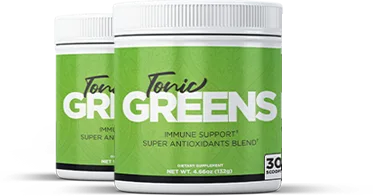
Tonic Greens is one such formula. It combines quercetin-rich vegetables (kale, broccoli, spinach), resveratrol sources (grape, blueberry, cranberry), curcumin from turmeric, a mushroom trio (reishi, shiitake, maitake), and a prebiotic-probiotic blend — over 57 ingredients in a single daily scoop.
For someone already taking lysine for herpes, a formula like Tonic Greens covers the complementary pathways: the antioxidant, anti-inflammatory and gut-immune support that lysine alone doesn't provide. Together, they form a more complete defense strategy.
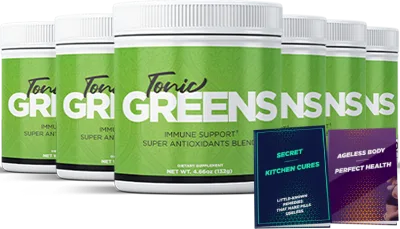
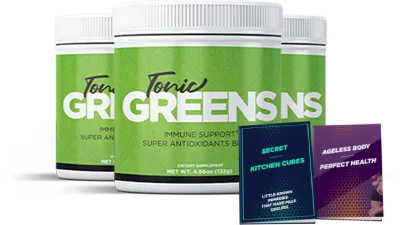
All Tonic Greens packages — 2 jars ($79/jar), 3 jars ($59/jar) or 6 jars ($49/jar) — come with a 60-day money-back guarantee, so there's time to evaluate whether the formula works for you.